
Can You Paint Over Lead Paint in a North Texas Home?
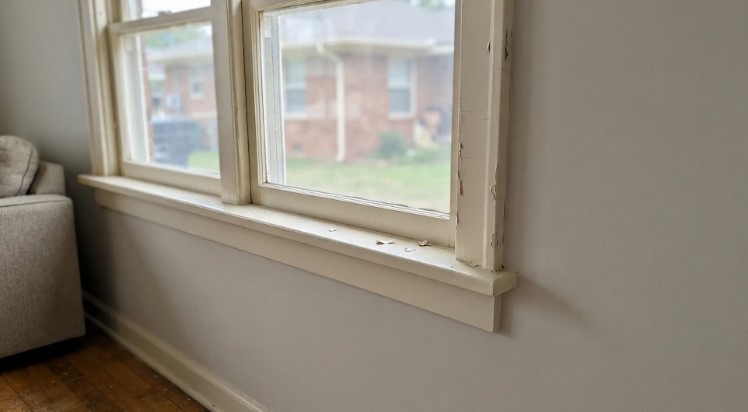
You can paint over lead paint only when the paint is intact (not peeling, chipping or cracking) unless a lead safety test says otherwise. We never dry sand or scrape it. Being lead safe certified painters, we do the sealing ourselves with these lead-safe practices:
- Containment: Sealing the work area with plastic.
- Wet prep: Wet-prepping loose paint
- Cleanup: Cleaning up with a HEPA vacuum and damp cloths
Can you paint over lead paint in a pre-1978 house? That depends on what the old coats are doing, and paint from before 1978 is assumed to contain lead unless it was tested.
Widespread peeling, chipping or cracking turns a yes into a no, and so does any plan that needs sanding or scraping first.
Is lead paint dangerous if painted over?
Intact paint is the lower risk, and the hazard is dust and chips. Painted-over lead is still there, though, and it comes back into play where paint wears or gets disturbed: window sashes, doors, stairs and any spot that rubs, plus anywhere old coats crack through or get sanded later. Friction spots wear first, which is why I check windows before walls.
This showed up plainly in a Plano home, a 1960s ranch where we worked in August 2026. Years of paint were layered on the interior window trim, the top coats were cracking and flakes had landed on the sill. We swab-tested the trim, it came back positive, and the wall paint was intact.
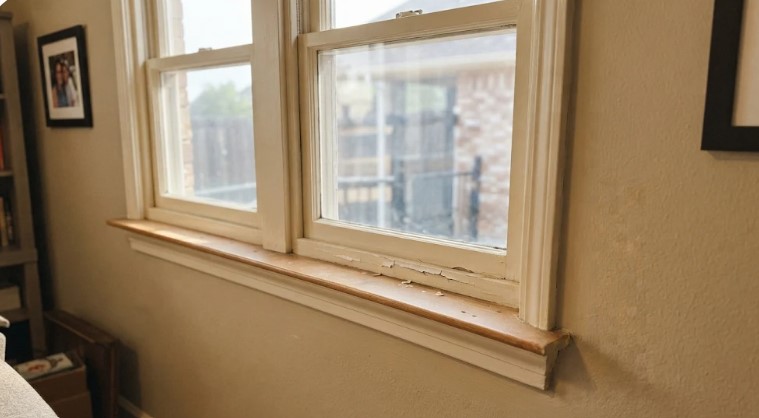
With kids in the house, I tell homeowners to keep little ones away from windowsills and chewable surfaces like trim until the paint is sealed, and never to scrape or sand it themselves.
Lead based paint remediation
The options are sealing, stabilizing loose paint, enclosing, and removing or replacing. We handle sealing and stabilizing on small areas, and enclosing, removing and replacing belong to a certified firm.
Sealing works only on intact paint, and only with a coating made for lead paint, never ordinary wall paint. On sound paint, how to paint over lead based paint comes down to four steps in order: test, contain, clean, then coat.
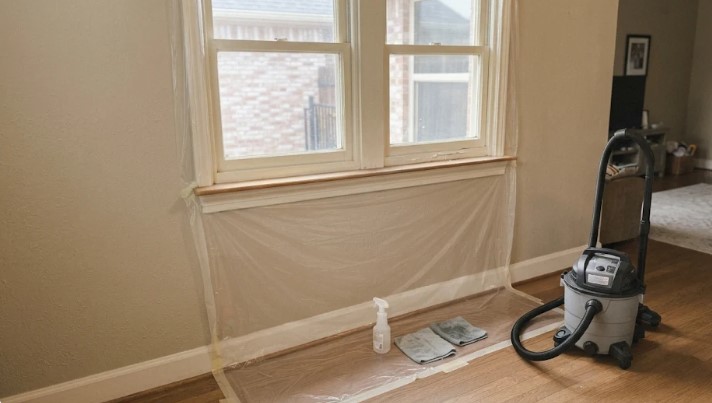
In Plano, the failing paint was limited to that trim, so two of us sealed the room with plastic, wet-prepped only the loose paint, cleaned up and then rolled a coating made for lead paint onto the sound paint that remained.
It is the same care we bring to other interior painting jobs in older homes, and the wall paint stayed untouched.
HEPA vacuum for lead paint
An ordinary household or shop vacuum is the wrong tool, because standard vacuums are not effective at removing lead dust. A HEPA vacuum is used before, during and after the work, along with wet wiping, which picks up what a vacuum misses on trim, sills and floors. I tell homeowners not to dry sweep or run their own vacuum over dust from old paint.
At the Plano window, we vacuumed the sheeting and floor with a HEPA vacuum after the wet prep and again at the end, wiped every surface in the room with damp cloths and checked our work by eye and with wipe cloths before pulling the plastic.
Certified lead paint removal
In Texas, EPA runs the federal lead rule for painters, and the state health department certifies lead inspectors and removal firms. Texas Star is an EPA lead-safe certified firm, which covers lead-safe renovation work.
Symptoms of lead paint exposure
Lead exposure often has no clear symptoms early on. In children it can show up as headaches, stomach pain, tiredness or behavior and learning problems, and in adults as headaches, stomach pain or numbness in the feet and legs. Kids are the main concern because they touch dusty sills and put their hands in their mouths. A blood lead test is how exposure is found, and there is no safe level of lead in blood.
FAQ
Can I use ordinary wall paint on old lead paint?
No. Ordinary wall paint does not seal the lead underneath it. I use a coating made for lead paint, and only on paint that is intact, so loose or peeling areas get dealt with first before anything goes on.
How do I know if my house has lead paint?
Built before 1978 means assume yes. A swab test or a lab test can confirm it on the surfaces that matter, and a full inspection of the house needs a certified inspector or risk assessor.
Can I sand or scrape old paint myself?
I would not. Dry sanding and scraping put fine lead dust into the air, and that dust is the real hazard, so I would leave the paint alone and ask a certified firm before touching it.
Should my family leave the house during the work?
Yes, move out of the worksite before work begins, with kids and any pregnancy in the home as the main concern. I tell every family that, and we plan the work around when they can leave.
What should a painter do before starting in a pre-1978 home?
We are certified and follow lead-safe practices, and any painter should show you a renovator certificate. The federal rule applies once work disturbs more than 6 square feet of interior surface per room or 20 square feet outside.
What We Won’t Do on a Pre-1978 Job
We do not dry sand or scrape old paint, we do not paint over loose lead paint and we do not skip the test. If your house predates 1978 and you want a clear plan, schedule a visit and we will tell you which side of the line your paint falls on.